%2Ffit-in%2F250x250%2Fguide_websites%2F43917%2Fimages%2F1781744608643logo2.jpeg&w=1920&q=100)
/users/c13fc9c4-4054-44c4-9642-3bfd25a0c51f/ratecard/inshore-fishing-fb-pic8-mqishbj5.jpg)
%2F300x300%2Fusers%2Fc13fc9c4-4054-44c4-9642-3bfd25a0c51f%2Fratecard%2Finshore-fishing-fb-pic8-mqishbj5.jpg&w=256&q=75)
%2F300x300%2Fusers%2Fc13fc9c4-4054-44c4-9642-3bfd25a0c51f%2Fimages%2Fgalveston-redfish-catch-boat-fishing-2703.jpg&w=256&q=75)
%2F300x300%2Fusers%2Fc13fc9c4-4054-44c4-9642-3bfd25a0c51f%2Fimages%2Fgalveston-fishing-boat-trip-2369.jpg&w=256&q=75)
%2F300x300%2Fusers%2Fc13fc9c4-4054-44c4-9642-3bfd25a0c51f%2Fimages%2Fgalveston-redfish-catch-2368.jpg&w=256&q=75)
%2F300x300%2Fusers%2Fc13fc9c4-4054-44c4-9642-3bfd25a0c51f%2Fimages%2Fgalveston-redfish-fishing-catch-2378.jpg&w=256&q=75)
%2F300x300%2Fusers%2Fc13fc9c4-4054-44c4-9642-3bfd25a0c51f%2Fimages%2Fgalveston-redfish-catch-boat-2461.jpg&w=256&q=75)
%2F300x300%2Fusers%2Fc13fc9c4-4054-44c4-9642-3bfd25a0c51f%2Fimages%2Fgalveston-speckled-trout-southern-flounder-2409.jpg&w=256&q=75)
%2F300x300%2Fusers%2Fc13fc9c4-4054-44c4-9642-3bfd25a0c51f%2Fimages%2Ffreshwater-drum-galveston-fishing-catch-2331.jpg&w=256&q=75)
%2F300x300%2Fusers%2Fc13fc9c4-4054-44c4-9642-3bfd25a0c51f%2Fimages%2Fgalveston-black-drum-fishing-catch-2329.jpg&w=256&q=75)
%2F300x300%2Fusers%2Fc13fc9c4-4054-44c4-9642-3bfd25a0c51f%2Fimages%2Fgalveston-redfish-fishing-catch-2737.jpg&w=256&q=75)
%2F300x300%2Fusers%2Fc13fc9c4-4054-44c4-9642-3bfd25a0c51f%2Fimages%2Fgalveston-black-drum-catch-2696.jpg&w=256&q=75)
Private Afternoon Inshore Trip Galveston TX
 Galveston
What you will be catching:
 Black Drum
 Redfish
 Sea Trout
 Sheepshead
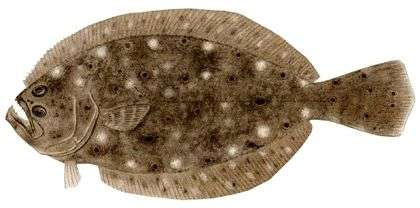
 Summer Flounder
- Four-hour private inshore charter with Captain Isidro Molina in Galveston Bay
- Target redfish, trout, drum, sheepshead, and flounder at productive bay locations
- One-on-one instruction and personalized attention for solo anglers
Trip Pricing and Availabilities:
Half Day Afternoon Fishing - Galveston Bay
Looking for a personalized fishing experience that won't eat up your whole day? Captain Isidro Molina's got you covered with this afternoon solo adventure on Galveston Bay. This isn't your typical crowded charter boat situation – you'll have the captain's full attention for four solid hours of fishing some of Texas's most productive inshore waters. Launching from Galveston Yacht Marina, you'll be targeting the bay's resident fish population while enjoying the kind of one-on-one instruction that can seriously up your angling game. Whether you're a weekend warrior looking to dial in your technique or just want to get away from the crowds, this private afternoon trip delivers the goods without the hassle.
What to Expect on the Water
Your afternoon starts at Galveston Yacht Marina, where Captain Isidro will have everything rigged and ready to roll. The beauty of this solo setup is flexibility – if you want to focus on perfecting your topwater presentation, that's exactly what you'll do. See a school of reds working a flat? You're heading straight for them without having to compromise with other anglers. The captain knows these bay systems like the back of his hand, and he's not shy about sharing the little details that make the difference between a good day and a great one. You'll work everything from shallow grass flats to deeper channel edges, depending on what the fish are telling you that day. The afternoon bite can be absolutely phenomenal, especially when the morning boat traffic dies down and the bay settles into that sweet rhythm.
Techniques & Tackle
Captain Isidro comes prepared with quality gear, but the real value is in learning how to read the water and present your bait like you mean it. You'll likely throw everything from soft plastics on jig heads to live shrimp under popping corks, depending on what's working. The captain's big on teaching proper technique – how to feel a subtle bite, when to set the hook, and how to fight fish without losing them at the boat. Inshore fishing is all about adapting to conditions, and you'll learn to read bird activity, current breaks, and water color changes that signal where the fish are holding. The shallow draft boat lets you get into places the bigger vessels can't reach, giving you access to those honey holes where the smart fish hang out when the sun gets high.
Top Catches This Season
Redfish are the bread and butter of Galveston Bay, and for good reason. These copper-colored bulldogs fight like they've got something to prove, making multiple runs and using their broad sides to leverage against your drag. You'll find them cruising the shallows, especially around shell reefs and grass beds. What makes reds special is their year-round presence – they don't migrate like some species, so you've always got a shot at hooking up. The slot-sized fish (20-28 inches) are perfect for the dinner table, while the bigger bulls provide that arm-burning fight every angler craves.
Speckled Trout are the finicky cousins that keep things interesting. These spotted beauties love structure and moving water, often holding near oyster beds or drop-offs where baitfish get pushed around by the current. They've got razor-sharp teeth and a soft mouth, so your drag technique better be on point. Specks are notorious for their seasonal patterns – they'll stack up in certain areas during cold fronts and scatter when conditions stabilize. Landing a fat trout on light tackle is pure gold, and Captain Isidro knows exactly where they like to hang out during different tidal phases.
Black Drum might not win any beauty contests, but they'll test your tackle and your patience. These bottom-dwellers love to root around oyster reefs and mud flats, using their powerful pharyngeal teeth to crush shellfish. When you hook a big drum, you'll know it immediately – they pull with the steady power of a freight train and don't give up easy. The smaller ones are excellent table fare, while the bigger specimens provide bragging rights before you send them back to fight another day.
Sheepshead are the pickpockets of the bay, known for stealing bait with surgical precision. These black-and-white striped rascals hang around structure, especially pier pilings and jetties where barnacles and other crustaceans provide easy meals. They've got human-like teeth that can crush shell, and they're not afraid to use them. Catching sheepshead consistently requires patience and finesse – you've got to feel that subtle tap and set the hook immediately, or you'll be re-baiting more than fishing.
Summer Flounder add a different dimension to the mix, lying flat on sandy bottoms waiting to ambush unsuspecting prey. These flatfish are masters of camouflage, changing color to match their surroundings perfectly. When they strike, it's usually a solid thump followed by a determined run toward the nearest structure. Flounder fishing requires a different mindset – slow presentations along the bottom, working areas where current brings baitfish within striking distance. A cooler full of flatfish means some of the best eating you'll find in the bay.
Time to Book Your Spot
This private afternoon trip gives you everything you need for a solid day on Galveston Bay without the commitment of a full-day charter. Captain Isidro's one-on-one approach means you'll learn something new while putting fish in the boat, and the flexible schedule lets you make the most of whatever conditions Mother Nature serves up. The afternoon bite can be every bit as good as the morning rush, especially when you've got someone who knows how to find them when the sun gets high. Don't sleep on this opportunity to fish with a captain who genuinely cares about your success – book your solo adventure and see what Galveston Bay is really all about.
Learn more about the species
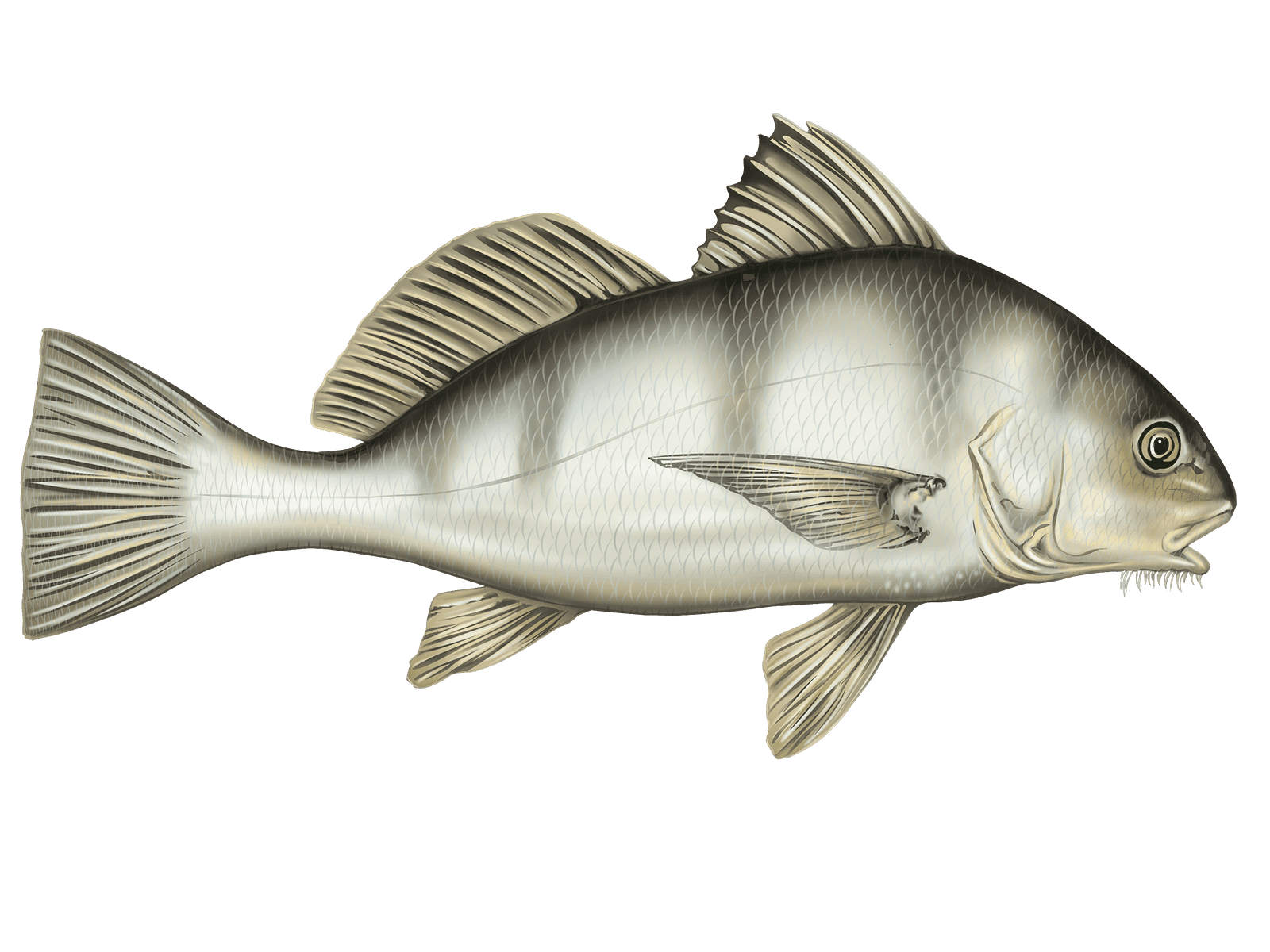
Black Drum
Black drum are the gentle giants of Galveston Bay, running anywhere from 5-30 pounds with some monsters pushing 50+. These gray-black fish love hanging around oyster beds and shallow muddy flats where they use their powerful jaws to crush crabs and shellfish. Spring is prime time when they school up for spawning, making them easier to target. What makes them special is that drumming sound they make - you can actually hear schools of them underwater. They're solid fighters that don't give up easy, and the smaller ones under 15 pounds make great table fare with sweet, flaky meat. My tip: use fresh crab on a circle hook and fish it right on the bottom near structure. When you feel that steady pull, don't horse them - let that drag work.
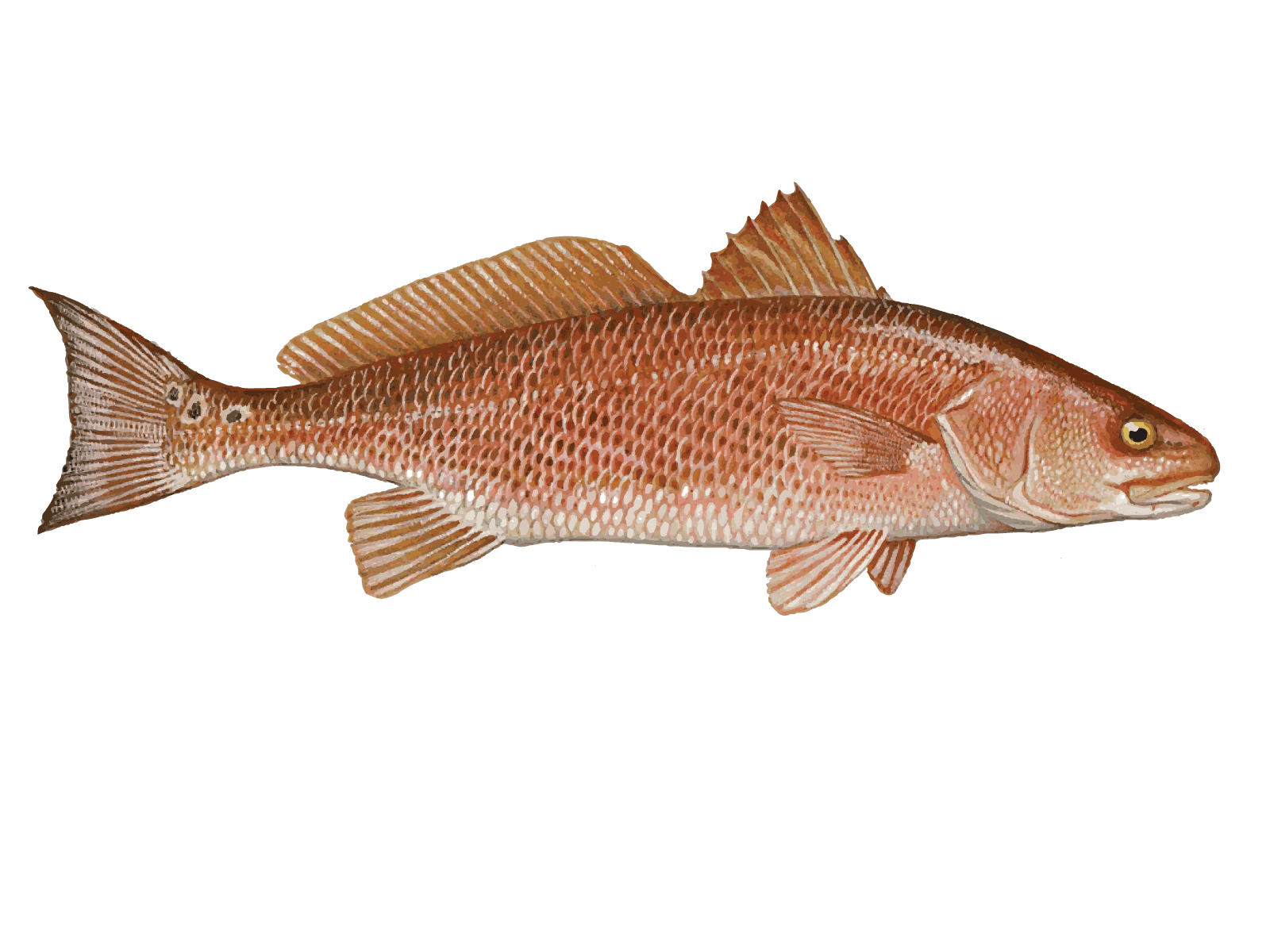
Redfish
Redfish are the crown jewel of our inshore fishing here in Galveston Bay. These copper-colored beauties with the distinctive black spot near their tail typically run 18-27 inches in the slot, with some bull reds over 40 inches cruising the deeper waters. They love super shallow flats, oyster reefs, and grass beds in 1-4 feet of water - sometimes so shallow their backs show above the surface. Year-round fishing is good, but fall and spring offer the best action. What makes them special is that explosive strike and bulldogging fight that'll test your drag. They're excellent table fare with firm, mild meat. The sight-fishing opportunities are unmatched - watching a red crush a topwater plug in skinny water never gets old. Pro tip: look for nervous water and baitfish activity, then work a gold spoon or topwater slowly through the area.
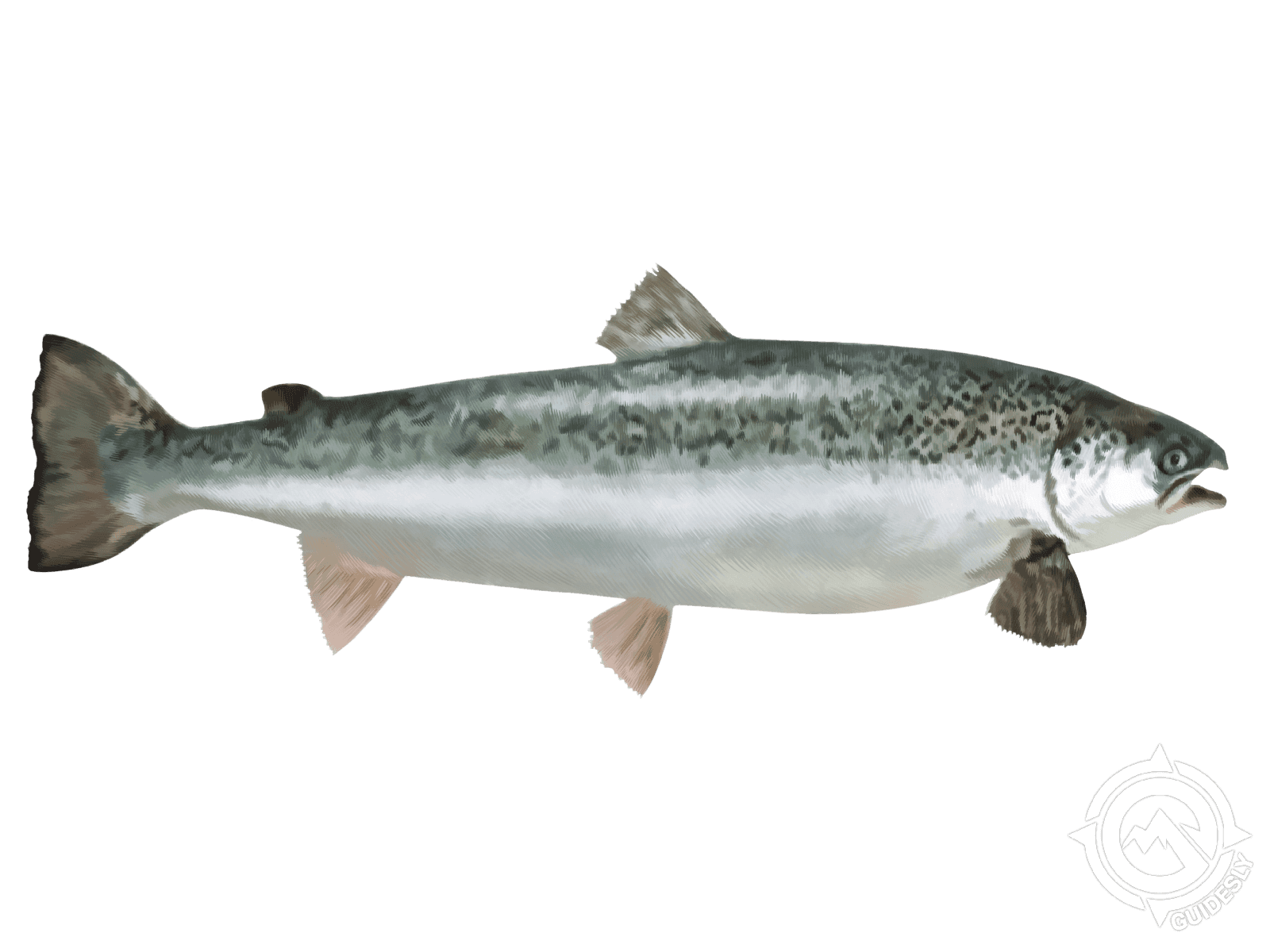
Sea Trout
Speckled trout are the bread and butter of Galveston Bay fishing. These silver beauties with black spots typically run 14-18 inches with some solid 3-4 pounders mixed in. You'll find them over grass flats, around shell reefs, and in 2-6 feet of water where they ambush shrimp and small baitfish. They bite year-round, but spring and fall are prime when they're most active. What anglers love is their willingness to hit artificial lures and their scrappy fight for their size. The meat is excellent - mild, white, and flaky, though it's delicate so don't overcook it. They school up in winter in deeper holes, making for some hot action. My go-to technique: work a soft plastic shrimp or topwater early morning over grass beds. Listen for the slurping sound when they hit topwater - that's pure magic.
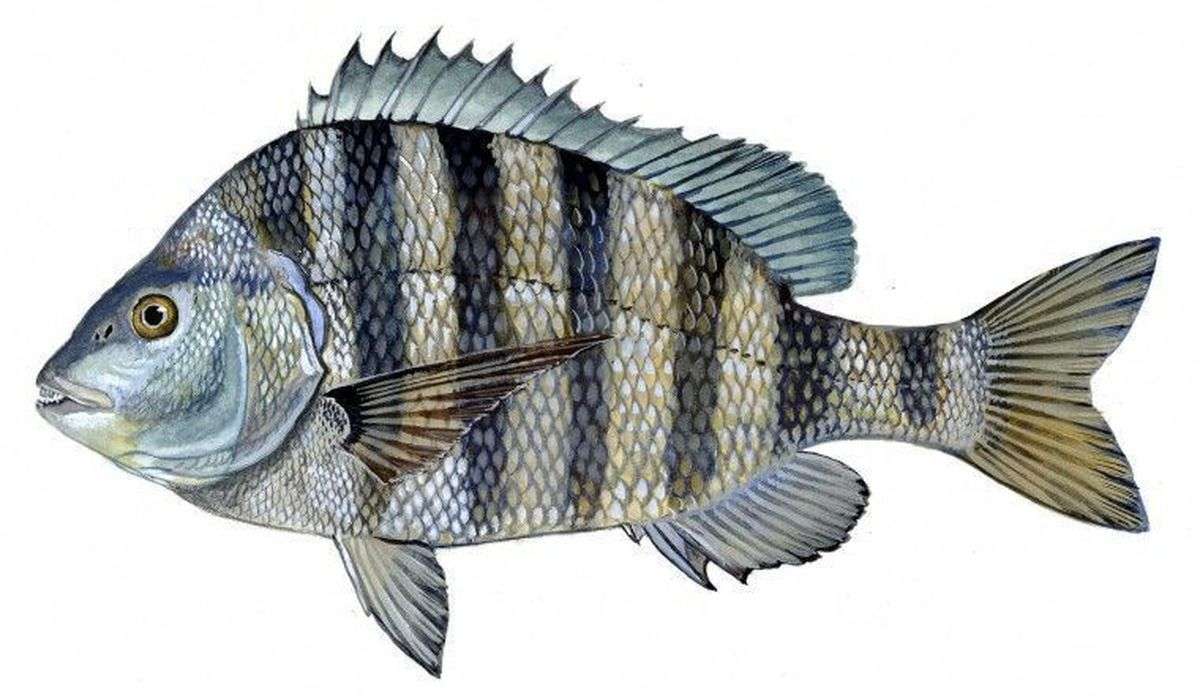
Sheepshead
Sheepshead are the convict fish of Galveston Bay with those distinctive black bars down their sides. Most run 2-5 pounds, but we get some hefty ones pushing 8-10 pounds around the right structure. These guys live around anything with barnacles - pier pilings, bridge supports, oil rigs, and jetties. They've got human-like teeth perfect for crushing shellfish off the structures. Spring spawning season from February through April is when they're most concentrated and easiest to target. What makes them fun is they're notorious bait thieves with light bites, so it takes skill to hook them. The reward is some of the best eating fish in the bay - sweet, white meat that's worth the effort. My secret: use small hooks with fresh shrimp or fiddler crabs, get as close to structure as possible, and set the hook at the first sign of weight.
Summer Flounder
Summer flounder are the ultimate ambush predators in our bay system. These flatfish blend perfectly with sandy bottoms, lying in wait with both eyes on their left side. Most run 15-20 inches, but we see some nice ones pushing 5-6 pounds. They love sandy flats and drop-offs where they can bury up and wait for baitfish to swim by. Fall months from September through November are prime time when they're most active and feeding heavy before winter. What guests love is the challenge - these fish are smart and picky. The meat is fantastic, white and flaky with a mild taste that's hard to beat. Here's the key: use a slow drift with live minnows or strips, and when you feel that tap-tap-tap, count to three before setting the hook. They like to mouth the bait first.
About the Destiny
%2F%2Fusers%2Fc13fc9c4-4054-44c4-9642-3bfd25a0c51f%2Fvehicle_picture%2F20250507_133625.jpg&w=1920&q=75)
Vehicle Guest Capacity: 4
Manufacturer Name: Yamaha
Maximum Cruising Speed: 45
Number of Engines: 1
Horsepower per Engine: 300