%2Ffit-in%2F250x250%2Fguide_websites%2F43917%2Fimages%2F1781744608643logo2.jpeg&w=1920&q=100)
/users/c13fc9c4-4054-44c4-9642-3bfd25a0c51f/ratecard/455267608_10219934775760028_2266919506617569635_n-mqisd9qy.jpg)
%2F300x300%2Fusers%2Fc13fc9c4-4054-44c4-9642-3bfd25a0c51f%2Fratecard%2F455267608_10219934775760028_2266919506617569635_n-mqisd9qy.jpg&w=256&q=75)
%2F300x300%2Fusers%2Fc13fc9c4-4054-44c4-9642-3bfd25a0c51f%2Fimages%2Fgalveston-redfish-catch-boat-fishing-2703.jpg&w=256&q=75)
%2F300x300%2Fusers%2Fc13fc9c4-4054-44c4-9642-3bfd25a0c51f%2Fimages%2Fgalveston-fishing-boat-trip-2369.jpg&w=256&q=75)
%2F300x300%2Fusers%2Fc13fc9c4-4054-44c4-9642-3bfd25a0c51f%2Fimages%2Fgalveston-redfish-catch-2368.jpg&w=256&q=75)
%2F300x300%2Fusers%2Fc13fc9c4-4054-44c4-9642-3bfd25a0c51f%2Fimages%2Fgalveston-redfish-fishing-catch-2378.jpg&w=256&q=75)
%2F300x300%2Fusers%2Fc13fc9c4-4054-44c4-9642-3bfd25a0c51f%2Fimages%2Fgalveston-redfish-catch-boat-2461.jpg&w=256&q=75)
%2F300x300%2Fusers%2Fc13fc9c4-4054-44c4-9642-3bfd25a0c51f%2Fimages%2Fgalveston-speckled-trout-southern-flounder-2409.jpg&w=256&q=75)
%2F300x300%2Fusers%2Fc13fc9c4-4054-44c4-9642-3bfd25a0c51f%2Fimages%2Ffreshwater-drum-galveston-fishing-catch-2331.jpg&w=256&q=75)
%2F300x300%2Fusers%2Fc13fc9c4-4054-44c4-9642-3bfd25a0c51f%2Fimages%2Fgalveston-black-drum-fishing-catch-2329.jpg&w=256&q=75)
%2F300x300%2Fusers%2Fc13fc9c4-4054-44c4-9642-3bfd25a0c51f%2Fimages%2Fgalveston-redfish-fishing-catch-2737.jpg&w=256&q=75)
%2F300x300%2Fusers%2Fc13fc9c4-4054-44c4-9642-3bfd25a0c51f%2Fimages%2Fgalveston-black-drum-catch-2696.jpg&w=256&q=75)
Half Day Inshore Fishing Galveston Bay Charters
 Galveston
What you will be catching:
 Black Drum
 Redfish
 Sea Trout
 Sheepshead
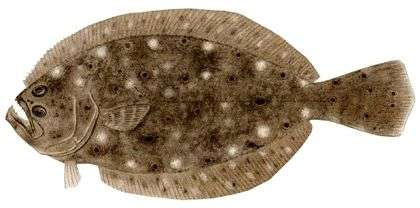
 Summer Flounder
- 4-hour private inshore fishing trip for up to 4 guests
- Target Redfish, Trout, Drum, Sheepshead, and Flounder seasonally
- Expert guidance provided for all skill levels aboard
Trip Pricing and Availabilities:
Half Day Afternoon Fishing - Galveston Bay
Looking for a solid afternoon on the water without breaking the bank or burning a whole day? Captain Isidro Molina's got you covered with this 4-hour inshore trip that hits all the right spots in Galveston Bay. This isn't some rush job – you'll have plenty of time to settle in, learn the ropes, and actually catch some fish. Perfect for families wanting to get the kids hooked on fishing, friends looking to unwind after work, or anyone who wants to experience what makes Texas bay fishing so darn good. We're talking about productive waters, steady action, and a captain who knows these flats like the back of his hand.
What to Expect on the Water
You'll meet Captain Isidro at Galveston Yacht Marina, where One More Cast Fishing Charters keeps their boat ready to roll. This is a private charter, so it's just your group of up to 4 people – no strangers, no rushed schedules, just your pace and your fishing style. The afternoon timing works beautifully because you're hitting those prime feeding windows when fish are actively moving and hunting. Galveston Bay's got that perfect mix of shallow flats, deeper cuts, and structure that holds fish year-round. Captain Isidro knows exactly where to position the boat based on tides, wind, and what's been biting lately. He's not just driving you around – he's actively coaching, helping with techniques, and making sure everyone from first-timers to weekend warriors has a blast. The bay stays relatively protected, so you're not dealing with big swells or rough conditions that can make fishing miserable.
Techniques & Bay Fishing
Inshore bay fishing is all about reading the water and adapting your approach. Captain Isidro will have you working with light tackle that's perfect for the species we're targeting – sensitive enough to feel those subtle bites but strong enough to handle a bull redfish when it decides to make a run. You'll likely be using live bait like shrimp and croaker, which are absolute candy to bay fish, along with some proven artificials when the bite calls for it. Expect to work shallow water where you can actually see the fish sometimes, plus some deeper pockets where the big trout like to hang out. The captain will show you how to work different depths, how to feel the difference between a bite and structure, and when to set the hook. It's hands-on learning that actually sticks. Wade fishing might come into play if conditions are right – there's nothing quite like standing knee-deep in clear water watching a redfish cruise right up to your bait.
Top Catches This Season
Redfish are the absolute stars of Galveston Bay, and for good reason. These copper-colored bruisers fight like freight trains and can show up anywhere from 18 inches to well over 30. They're year-round residents, but fall and spring are when they really turn on. What makes reds so fun is their attitude – they'll crush a bait with authority, then immediately head for the nearest oyster reef or grass bed to try and cut your line. You'll find them in super shallow water on warm afternoons, tailing and cruising the flats like mini-tarpon. Captain Isidro knows their feeding patterns and can put you on fish that'll test your drag and your patience.
Speckled trout are the other bread-and-butter species that keep anglers coming back. These spotted beauties are incredibly structure-oriented, relating to everything from oyster bars to drop-offs to grass lines. The best part about trout fishing is the variety – you might catch a dozen 14-inchers and then hook into a 4-pound gator that'll make your reel sing. They're most active during moving water, and Captain Isidro times the trips to hit those productive tide changes. Specks are also incredibly table-friendly, so if you're planning a fish fry, these guys deliver.
Black drum might not win any beauty contests, but they're absolute bulldogs on light tackle. These bottom-dwellers can surprise you with their size – a 20-pound drum will humble you real quick. They love hanging around structure like pilings and reefs, using their pharyngeal teeth to crush oysters and crabs. What's cool about drum fishing is the persistence factor – they might tap your bait for 10 minutes before committing, then when they do, you'll know it. They're also great eating in smaller sizes, with firm white meat that's perfect for blackening.
Sheepshead are the ultimate challenge fish – they've got small mouths, incredible eyesight, and a habit of stealing bait that'll drive you crazy. But catch one, and you'll understand why they're prized. These black-and-white striped fish hang tight to structure and require pinpoint presentations. Captain Isidro will show you the patience and technique needed to fool these bait thieves. They're excellent table fare and provide a technical fishing challenge that experienced anglers love.
Summer flounder add another dimension to bay fishing, especially around sandy bottoms and channel edges. These flatfish are masters of camouflage and ambush predators that can surprise you with explosive strikes. They're seasonal visitors that show up when water temperatures warm, and landing a nice "doormat" flounder is always a trip highlight. Their unique fighting style and excellent eating quality make them a sought-after species for any angler looking to diversify their catch.
Time to Book Your Spot
This half-day afternoon trip hits the sweet spot for so many reasons – it's long enough to really fish but won't eat your entire day, it's priced right for families and groups, and you're fishing with someone who lives and breathes these waters. Captain Isidro's approach is all about making sure you have a good time while actually learning something that'll help you become a better angler. Whether you're looking to introduce someone to fishing, celebrate a special occasion,
Learn more about the animals
Black Drum
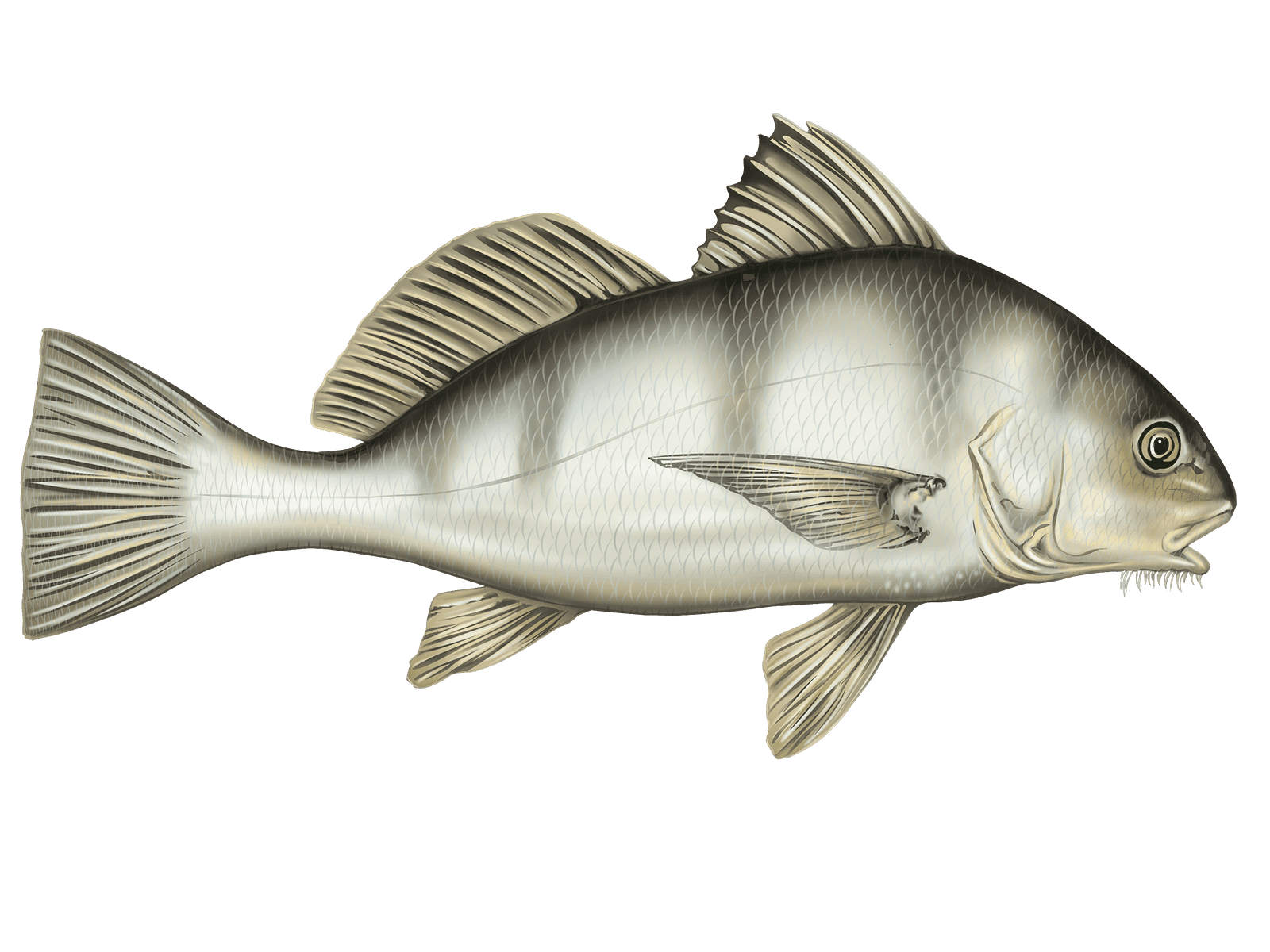
Black Drum are the heavyweights of Galveston Bay, typically running 5-30 pounds with some monsters pushing 50+ pounds. These gray-black bruisers love shallow muddy flats and oyster beds where they use their powerful jaws to crush crabs and shellfish. Spring is prime time when they school up for spawning around February and March. You'll hear them "drumming" underwater - that's how they got their name. They're notorious for their bulldogging fights once hooked. Keep smaller ones under 15 pounds for eating as the big ones get tough. My tip: use fresh crab on a Carolina rig and let it sit on bottom near oyster structure. When you feel that steady pull, don't wait - set the hook hard because these fish have mouths like concrete.
Redfish
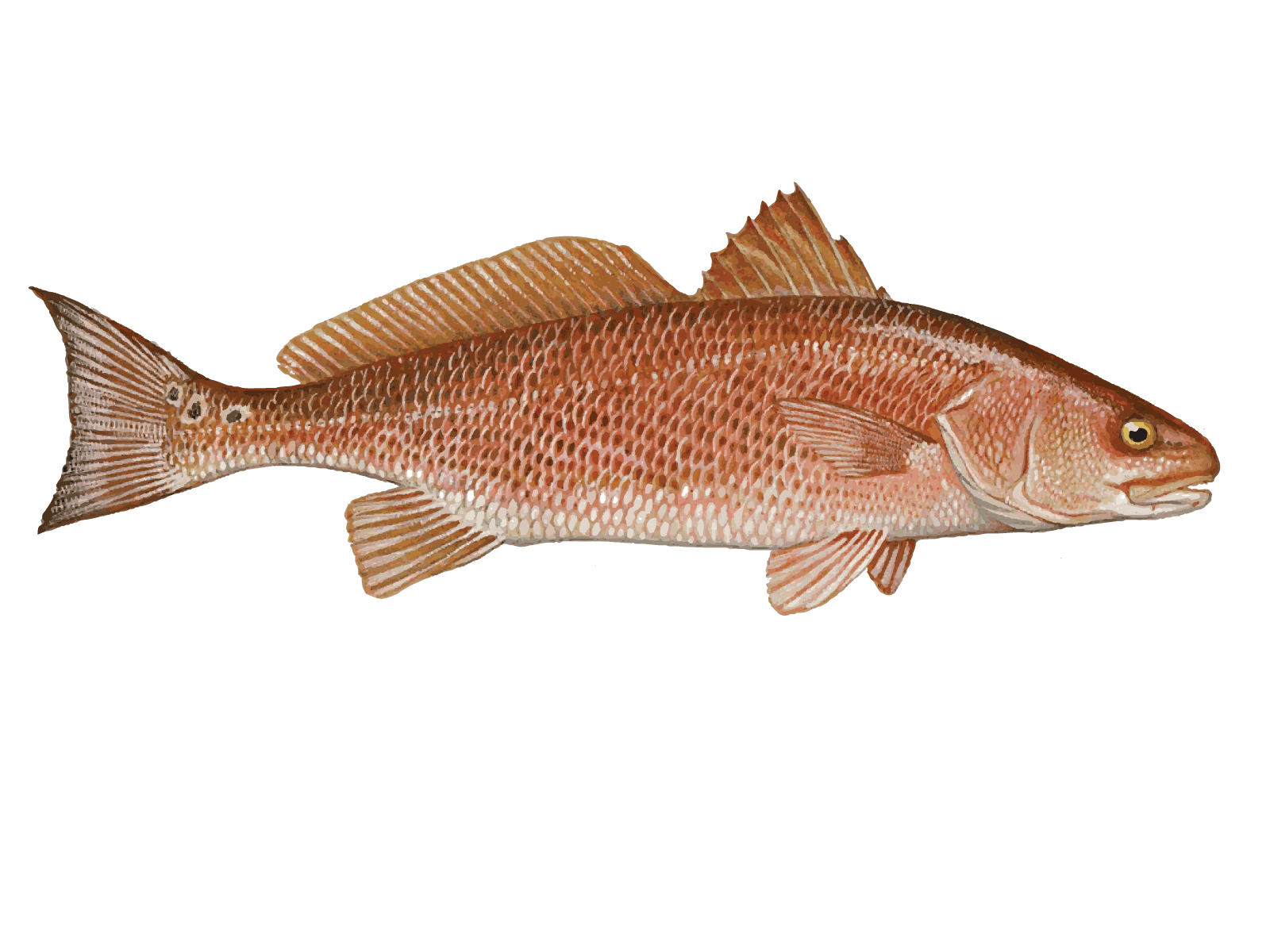
Redfish are the crown jewel of our inshore fishing, easily spotted by their copper-bronze color and signature black spots near the tail. These powerful fish typically run 20-35 inches and love super shallow water - sometimes so shallow their backs stick out. They cruise oyster reefs, grass flats, and marsh edges looking for crabs and baitfish. Fall is peak season when they school up, but we catch them year-round. What guests love most is that explosive topwater bite and the way they bulldoze toward structure once hooked. They're also excellent table fare when kept within slot limits. The key is sight fishing - look for wakes, tails, or that copper flash in skinny water. My best advice: when you see one, lead them by a few feet with your cast and work the lure slowly past their nose. They can't resist.
Sea Trout
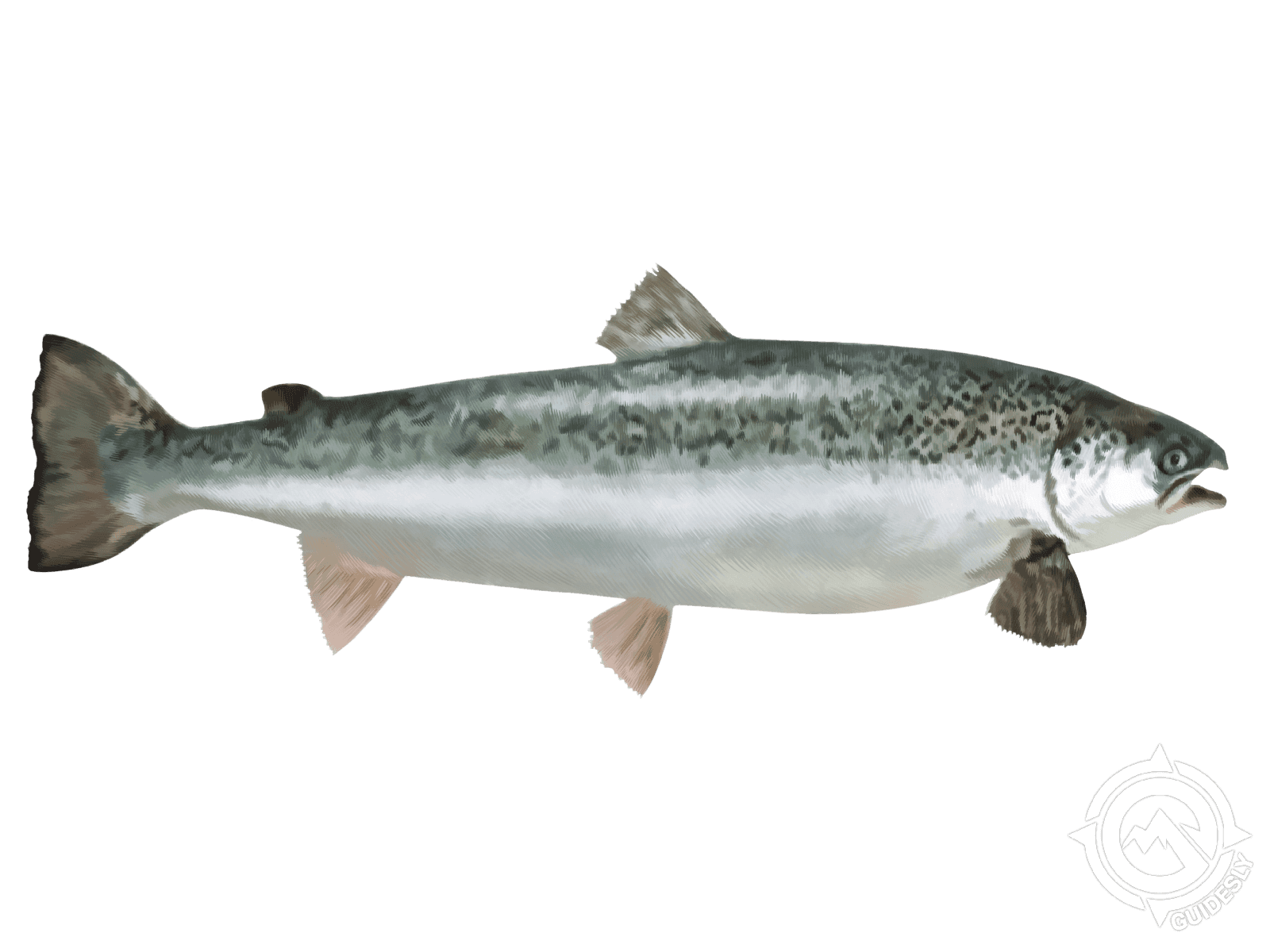
Speckled Trout are the bread and butter of Galveston Bay fishing, running 14-24 inches with beautiful spotted sides that shimmer in the sun. These fish love grass flats and shallow water, especially during dawn and dusk when they're actively feeding. Fall through spring offers the best action, with winter bringing schools into deeper channels. What makes them popular is their willingness to hit both live bait and artificials, plus they're fantastic eating with delicate white meat. They're also great fighters for their size, making long runs and jumping when hooked. Best spots are around shell reefs and grass beds in 3-8 feet of water. Pro tip: work your lure slowly and don't horse them in - their mouths are soft and you'll pull the hook. A steady, smooth retrieve with light pressure lands more fish.
Sheepshead
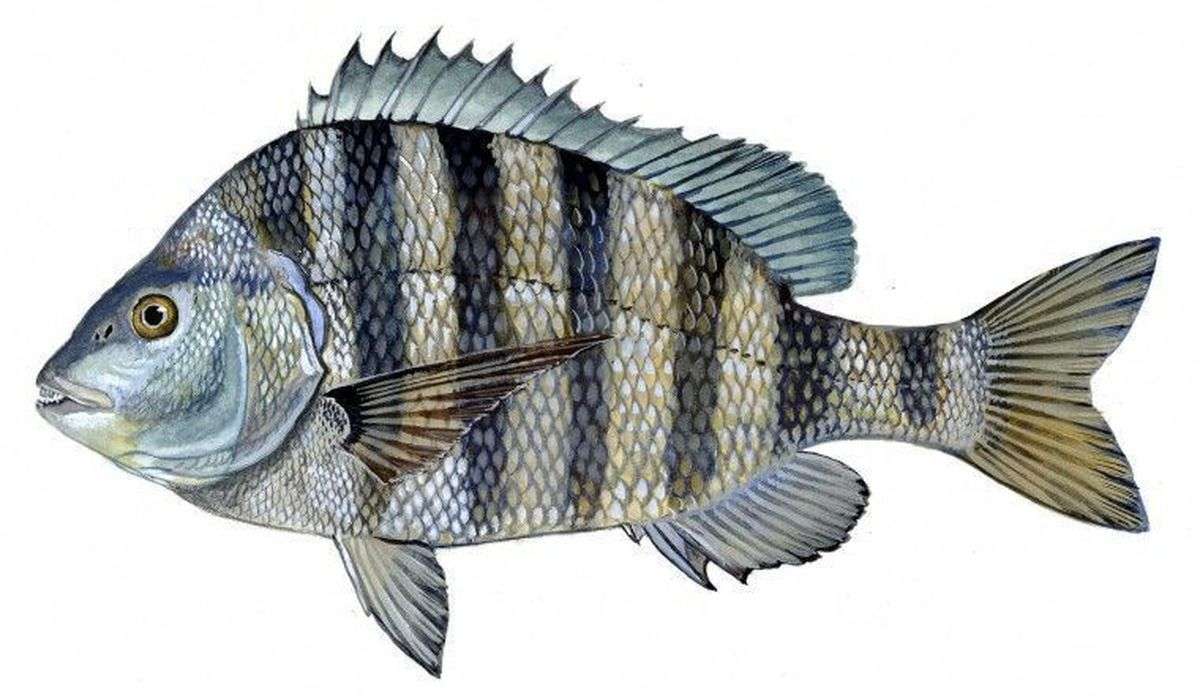
Sheepshead are the "convict fish" of our waters with their black and white stripes, but don't let their looks fool you - they're some of the best eating around. These 2-8 pound fish hang tight to any structure they can find: docks, pilings, jetties, and oyster bars. What gets people hooked is seeing those human-like teeth when they open their mouths. They're active year-round but really turn on during spring spawning season. The challenge is their notorious bait-stealing skills - they'll clean your hook without you knowing. Live or fresh-dead shrimp and fiddler crabs are top baits. My go-to trick: get as close to structure as possible and keep steady pressure on your line. The second you feel weight, set that hook hard because they've got concrete mouths and will spit the bait fast.
Summer Flounder
Summer Flounder are the masters of disguise in our bay system, lying flat on sandy bottoms waiting to ambush prey. These "doormat" flatfish typically run 15-20 inches and make great table fare with their sweet white meat. They're most active September through November when water temps start dropping. What makes them special is watching that explosive strike when they come off the bottom - it's like hooking into a frisbee that fights sideways. They love live baitfish like mullet or croakers, but sea worms work great too. Best fishing is around channel edges and drop-offs in 8-15 feet of water. Here's the trick: when you feel that tap-tap-pull, give them a few seconds to turn the bait before setting the hook. They grab prey sideways and need time to position it right.
About the Destiny
%2F%2Fusers%2Fc13fc9c4-4054-44c4-9642-3bfd25a0c51f%2Fvehicle_picture%2F20250507_133625.jpg&w=1920&q=75)
Vehicle Guest Capacity: 4
Manufacturer Name: Yamaha
Maximum Cruising Speed: 45
Number of Engines: 1
Horsepower per Engine: 300