%2Ffit-in%2F250x250%2Fguide_websites%2F43917%2Fimages%2F1781744608643logo2.jpeg&w=1920&q=100)
/users/c13fc9c4-4054-44c4-9642-3bfd25a0c51f/ratecard/473034394_122133737702465441_5423551078701605920_n-mqis4cwt.jpg)
%2F300x300%2Fusers%2Fc13fc9c4-4054-44c4-9642-3bfd25a0c51f%2Fratecard%2F473034394_122133737702465441_5423551078701605920_n-mqis4cwt.jpg&w=256&q=75)
%2F300x300%2Fusers%2Fc13fc9c4-4054-44c4-9642-3bfd25a0c51f%2Fimages%2Fgalveston-redfish-catch-boat-fishing-2703.jpg&w=256&q=75)
%2F300x300%2Fusers%2Fc13fc9c4-4054-44c4-9642-3bfd25a0c51f%2Fimages%2Fgalveston-fishing-boat-trip-2369.jpg&w=256&q=75)
%2F300x300%2Fusers%2Fc13fc9c4-4054-44c4-9642-3bfd25a0c51f%2Fimages%2Fgalveston-redfish-catch-2368.jpg&w=256&q=75)
%2F300x300%2Fusers%2Fc13fc9c4-4054-44c4-9642-3bfd25a0c51f%2Fimages%2Fgalveston-redfish-fishing-catch-2378.jpg&w=256&q=75)
%2F300x300%2Fusers%2Fc13fc9c4-4054-44c4-9642-3bfd25a0c51f%2Fimages%2Fgalveston-redfish-catch-boat-2461.jpg&w=256&q=75)
%2F300x300%2Fusers%2Fc13fc9c4-4054-44c4-9642-3bfd25a0c51f%2Fimages%2Fgalveston-speckled-trout-southern-flounder-2409.jpg&w=256&q=75)
%2F300x300%2Fusers%2Fc13fc9c4-4054-44c4-9642-3bfd25a0c51f%2Fimages%2Ffreshwater-drum-galveston-fishing-catch-2331.jpg&w=256&q=75)
%2F300x300%2Fusers%2Fc13fc9c4-4054-44c4-9642-3bfd25a0c51f%2Fimages%2Fgalveston-black-drum-fishing-catch-2329.jpg&w=256&q=75)
%2F300x300%2Fusers%2Fc13fc9c4-4054-44c4-9642-3bfd25a0c51f%2Fimages%2Fgalveston-redfish-fishing-catch-2737.jpg&w=256&q=75)
%2F300x300%2Fusers%2Fc13fc9c4-4054-44c4-9642-3bfd25a0c51f%2Fimages%2Fgalveston-black-drum-catch-2696.jpg&w=256&q=75)
Morning Solo Inshore Trip One More Cast Galveston
 Galveston
What you will be catching:
 Black Drum
 Redfish
 Sea Trout
 Sheepshead
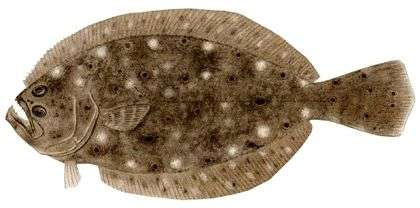
 Summer Flounder
- 4-hour private charter with Captain Isidro Molina in Galveston Bay
- Target Redfish, Trout, Black Drum, Sheepshead, and Flounder in prime waters
- Personalized instruction and exclusive access to productive flats and grass beds
Trip Pricing and Availabilities:
Half Day Morning Fishing Trip - Galveston, TX
There's something special about having Galveston Bay all to yourself with a captain who knows these waters like the back of his hand. Captain Isidro Molina's solo fishing trips are designed for anglers who want the full attention and expertise that only comes with a private charter. Starting from Galveston Yacht Marina at first light, you'll spend four solid hours working the bay's most productive spots without sharing the boat or the action with anyone else. This isn't just a fishing trip – it's a masterclass in Texas coastal angling where every cast counts and every technique gets refined. Whether you're a seasoned angler looking to dial in your skills or someone who simply prefers the focused experience of fishing solo, this charter delivers the kind of personalized attention that makes the difference between a good day and a great one.
What to Expect on the Water
Captain Isidro runs a tight ship when it comes to putting his guests on fish, and with just one angler aboard, you're getting the VIP treatment from start to finish. The 4-hour morning window is prime time in Galveston Bay – that's when the water's calm, the fish are active, and the Gulf Coast scenery looks its absolute best. You'll launch from Galveston Yacht Marina and head straight to the captain's current hot spots, which change based on tides, weather, and what's been biting lately. This is inshore fishing at its finest, meaning you're working the shallows, grass flats, and structure where Texas gamefish love to hunt. The bay system here is massive, giving Captain Isidro plenty of options to find the bite no matter what Mother Nature throws your way. Expect to move around and fish multiple spots – that's how you maximize your chances and learn the bay like a local.
Techniques & Bay Fishing
Galveston Bay fishing is all about reading the water and adapting your approach, and Captain Isidro will walk you through the techniques that work best in these coastal waters. You'll likely start with live bait rigs – nothing beats a well-presented shrimp or mullet when targeting redfish and trout in the shallows. Depending on what's working, you might switch to soft plastics on jigheads, especially when working grass beds where speckled trout like to ambush prey. The captain comes prepared with all the tackle you need, from circle hooks for drum to the right weight jigheads for different depths. Bottom fishing comes into play when targeting black drum and sheepshead around structure, while drift fishing can be deadly effective for flounder along channel edges. The beauty of having the boat to yourself means you can really focus on each technique without rushing to accommodate other anglers. Captain Isidro takes pride in teaching the nuances that separate good bay fishermen from great ones.
Species You'll Want to Hook
Redfish are the crown jewel of Galveston Bay, and these copper-colored bruisers provide some of the most exciting fights you'll find in shallow water. These fish patrol the grass flats and oyster reefs year-round, though fall months often produce the biggest specimens. What makes reds so special is their aggressive nature and the way they'll crush a bait in just inches of water. You'll hear that distinctive "thump" when a big red inhales your offering, followed by a screaming drag and heart-pounding runs toward the nearest structure. Slot-sized reds between 20-28 inches are perfect for the dinner table, while the oversized bulls provide pure adrenaline.
Sea trout, particularly the speckled variety, are Galveston Bay's most consistent performers and a favorite target during morning trips. These fish feed heavily at first light, making them perfect for this charter's timing. Specks average 14-18 inches but don't let their size fool you – they're scrappy fighters with a tendency to jump and throw hooks. Spring and fall produce the best trout action, when cooler water temperatures get them feeding aggressively in the grass beds. The bigger "gator trout" over 20 inches are the stuff of legend here, and Captain Isidro knows exactly where to find them.
Black drum are the heavyweights of the bay system, often exceeding 30 pounds and providing arm-burning fights that test your endurance. These fish love structure like jetties, reefs, and bridge pilings where they feed on crabs and shellfish. What's fascinating about black drum is their ability to use their pharyngeal teeth to crush oysters and crabs – you'll actually hear them crunching their prey. The smaller "puppy drum" under 30 inches make excellent table fare, while the larger fish are perfect photo opportunities before release.
Sheepshead are the bay's craftiest residents, known for their bait-stealing abilities and stubborn fights. These convict-striped fish require finesse and patience, making them a favorite challenge for experienced anglers. They're structure-oriented fish that love to hang around pilings, reefs, and docks where they feed on barnacles and fiddler crabs. Peak sheepshead action typically occurs during cooler months when they move into the bay to spawn. Landing a quality sheepshead requires quick hook sets and steady pressure – they're notorious for wrapping you up in structure.
Summer flounder, or "fluke" as many anglers call them, are the bay's masters of camouflage and ambush predation. These flatfish bury themselves in sandy bottoms along channel edges and drop-offs, waiting to strike unsuspecting prey. What makes flounder fishing exciting is the subtlety of their bite – often just a slight tap or weight change on your line. They're excellent table fare and provide a fun change of pace from the more aggressive species. The best flounder action typically occurs during their spring and fall migrations when they're moving between the bay and Gulf.
Time to Book Your Spot
This solo morning charter with Captain Is
Learn more about the animals
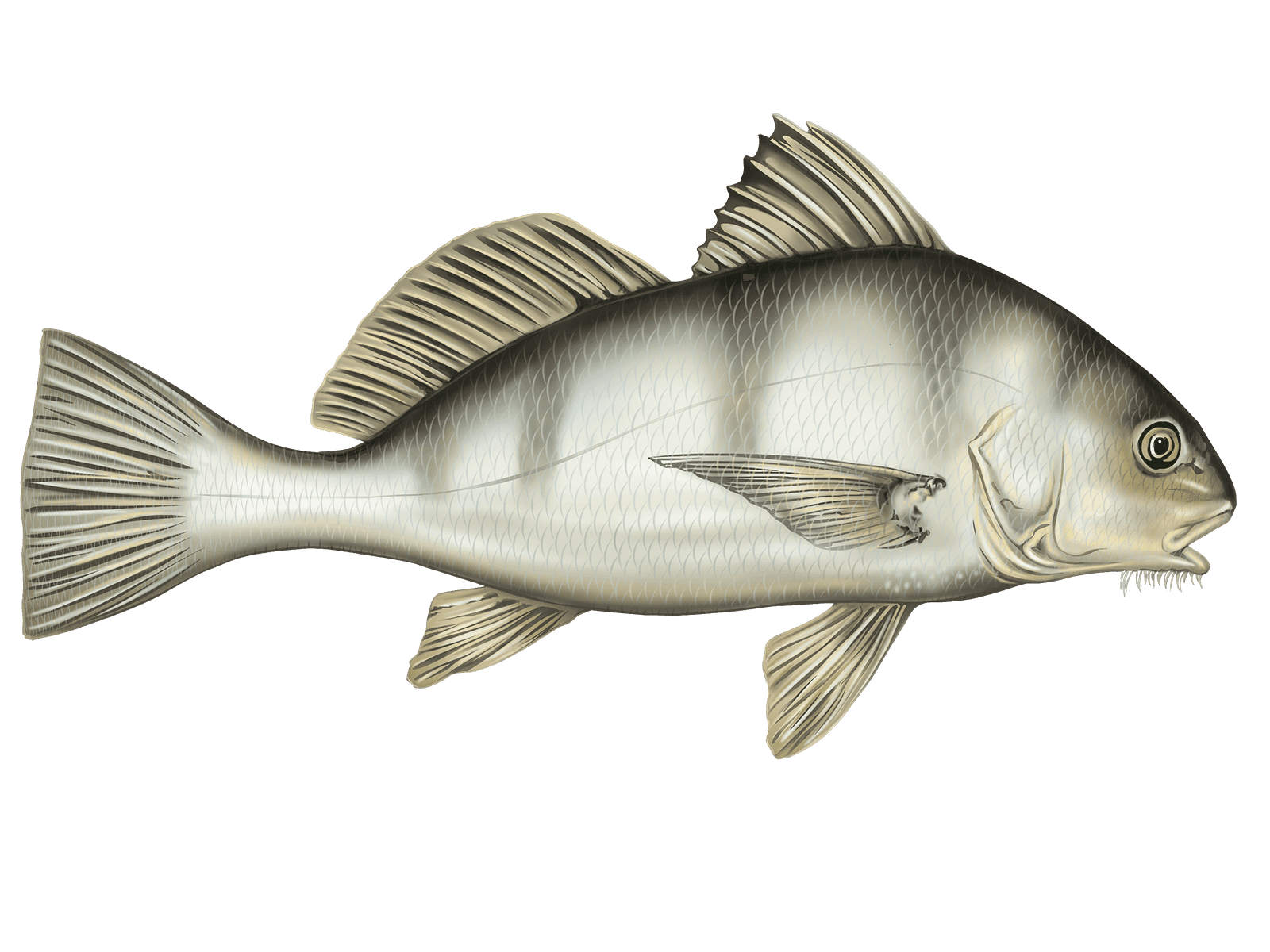
Black Drum
Black Drum are the heavyweights of Galveston Bay, typically running 5-30 pounds but capable of reaching 90+ pounds. These gray-black bruisers love shallow muddy flats and oyster beds where they crush shellfish with powerful jaws. Spring is prime time when they school up for spawning - that's when you'll hear their distinctive drumming sounds underwater. They're incredible fighters that'll test your drag, and the smaller ones (under 15 pounds) make excellent table fare with firm, white meat. Pro tip: use fresh crab for bait and fish it right on the bottom near oyster structure. They're notorious for light bites, so stay alert and set the hook hard when you feel that telltale tap-tap.
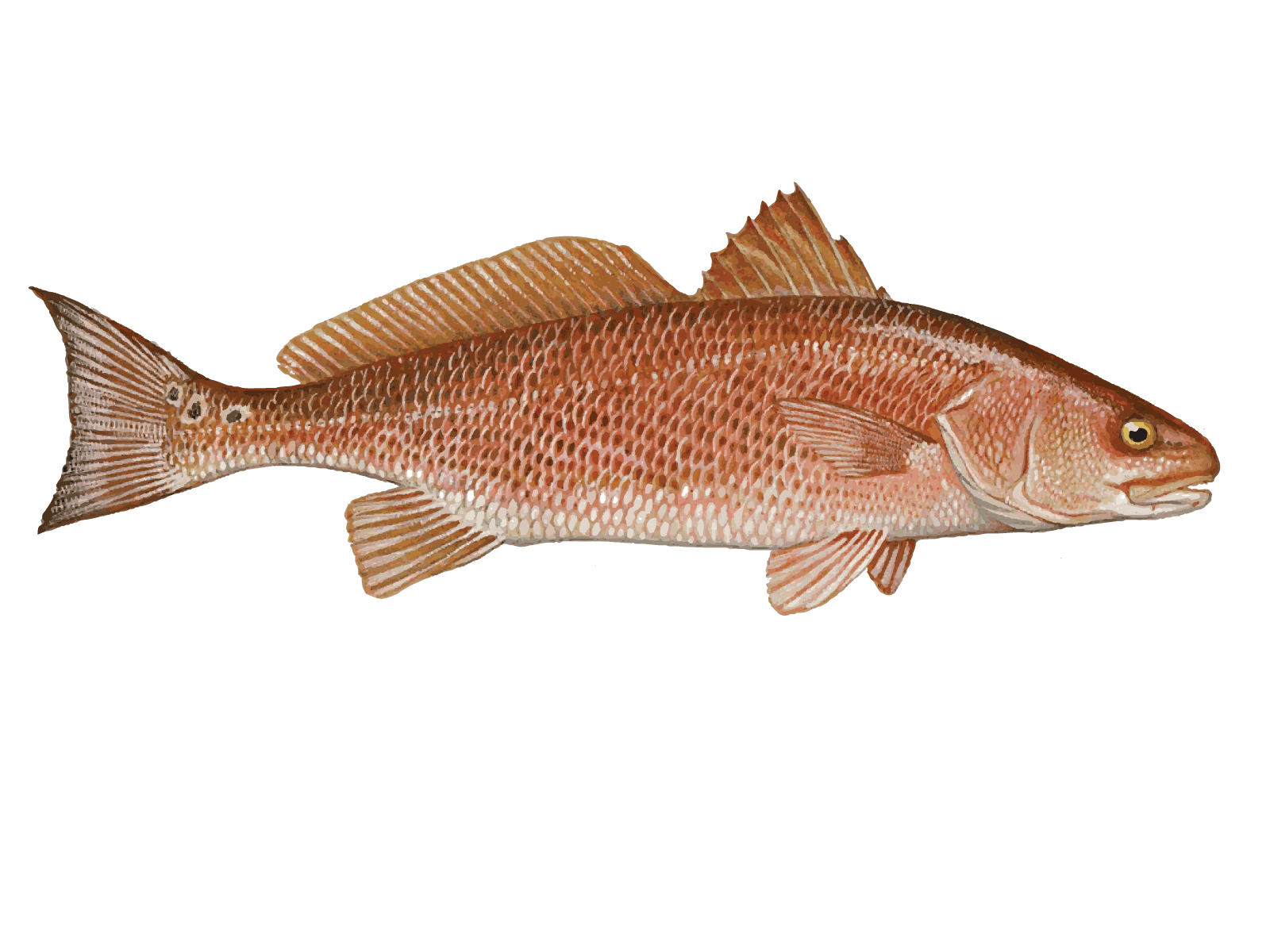
Redfish
Redfish are the crown jewel of Galveston Bay with their copper-bronze backs and signature black eyespots near the tail. These powerful fish cruise shallow flats in 1-4 feet of water, often with their backs exposed as they root for crabs and shrimp. They typically run 20-35 inches here, with bigger bulls found in deeper channels. Year-round fishing is good, but fall and winter offer the best shot at schools. What makes them special is their explosive strikes on topwater lures and bulldogging fights that'll bend your rod double. The meat on smaller reds is fantastic - firm and mildly sweet. Pro tip: look for nervous water on calm mornings and throw a gold spoon or topwater plug just ahead of cruising fish. They can't resist it.
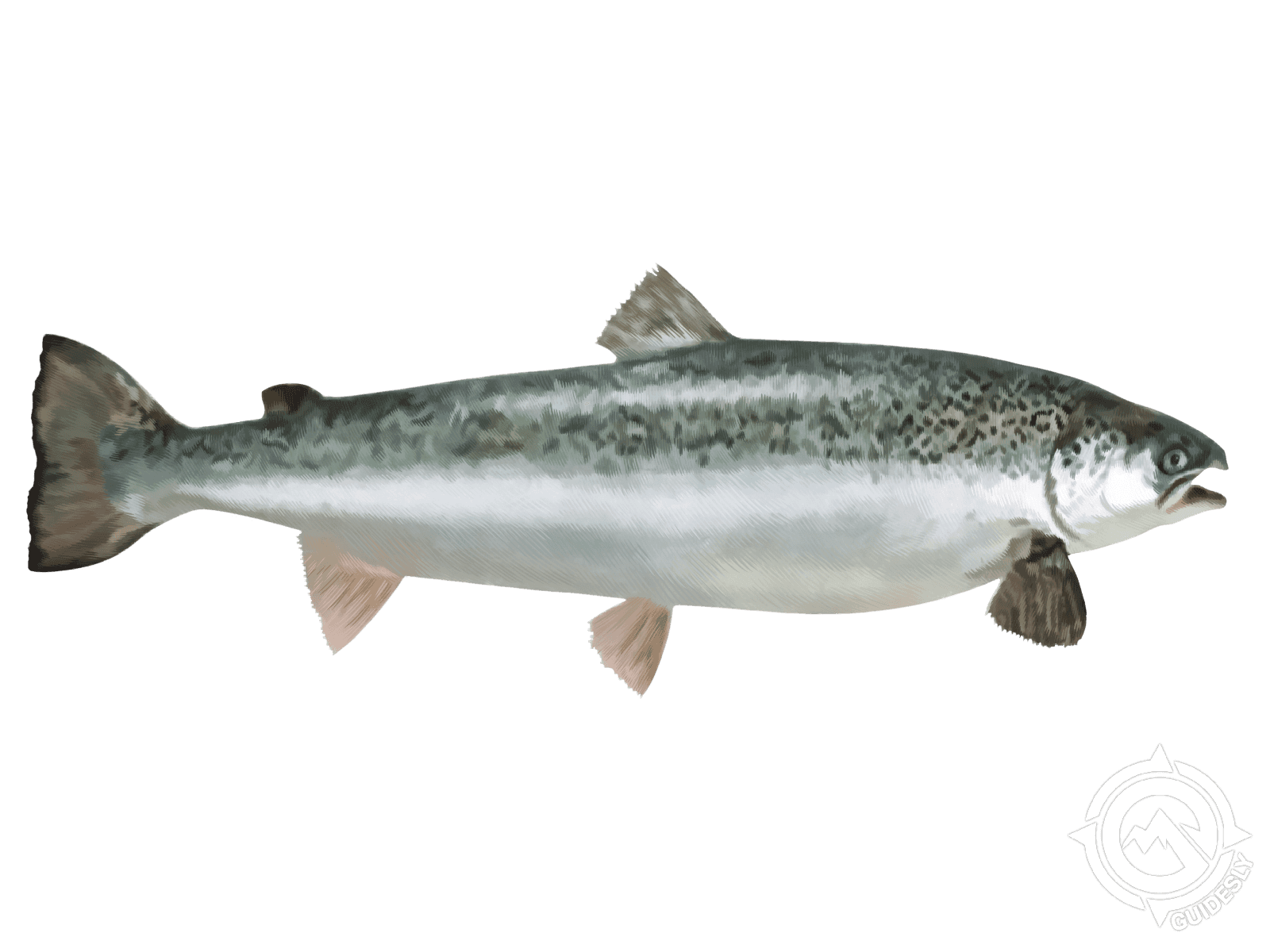
Sea Trout
Speckled trout are the bread and butter of Galveston Bay fishing, running 14-24 inches with beautiful spotted sides that shimmer in the sunlight. These grass flat specialists love shallow waters around structure, especially early morning and late evening when they're actively feeding on shrimp and small baitfish. Year-round fishing is solid, but spring and fall provide the most consistent action. What guests love most is their willingness to hit artificial lures and their delicate, flaky white meat that's perfect for the dinner table. The secret is working soft plastics or topwater plugs over grass beds at dawn or dusk. Listen for their "popping" sounds when they're feeding - that's your cue to cast right into the commotion.
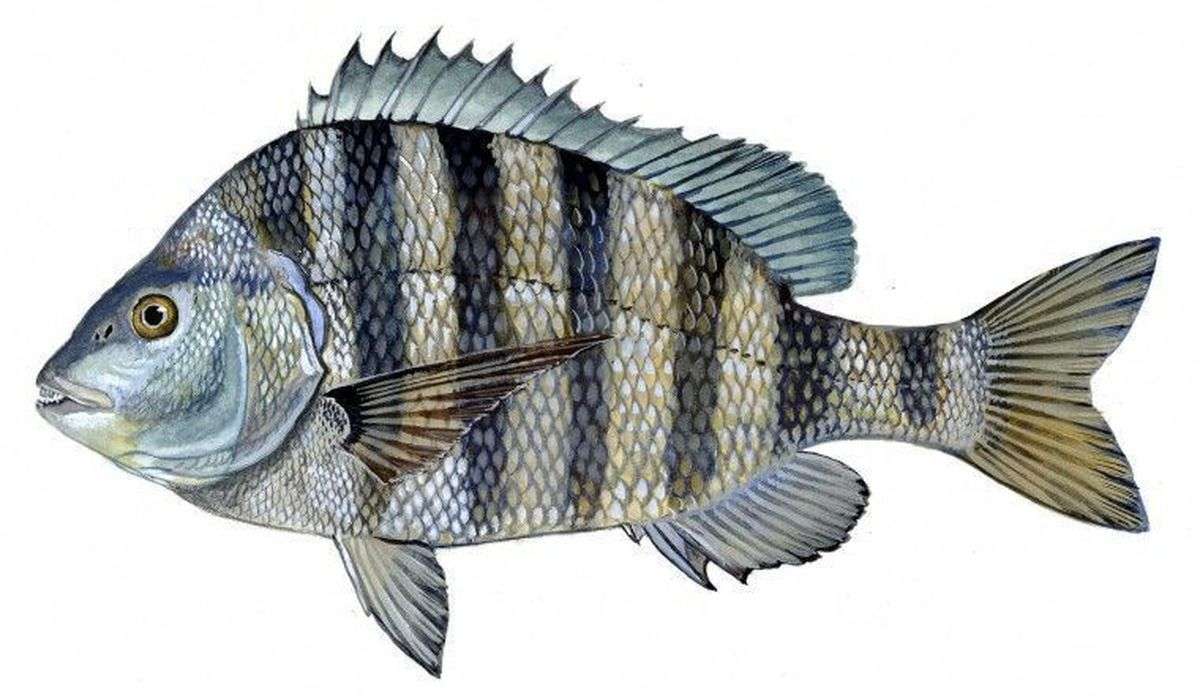
Sheepshead
Sheepshead are the convict fish of Galveston Bay with their distinctive black and white stripes, but don't let their looks fool you - they're some of the tastiest fish around. These 1-8 pound structure huggers have human-like teeth perfect for crushing barnacles off dock pilings and bridge supports. Spring spawning season from February through April offers the hottest action when they school up around jetties and platforms. Anglers love them for their excellent white meat and the challenge they present - they're notorious bait thieves with delicate bites. My go-to trick is using small pieces of fresh shrimp or fiddler crab on sharp hooks, and fish as close to structure as possible. Set the hook fast when you feel them nibbling.
Summer Flounder
Summer flounder are the masters of disguise in Galveston waters, lying flat on sandy bottoms waiting to ambush prey. These "doormat" fish typically run 15-20 inches, but don't let their flat profile fool you - they're aggressive predators that'll chase down live bait. Fall months from September through November offer the best action when they're feeding heavily before moving offshore. What makes them special is watching them change colors to match the bottom, plus they're outstanding table fare with sweet, flaky white meat. The key to catching them is using live minnows or shrimp on circle hooks, and always retrieve slowly along the bottom - they bite sideways, so give them time to turn the bait before setting the hook.
About the Destiny
%2F%2Fusers%2Fc13fc9c4-4054-44c4-9642-3bfd25a0c51f%2Fvehicle_picture%2F20250507_133625.jpg&w=1920&q=75)
Vehicle Guest Capacity: 4
Manufacturer Name: Yamaha
Maximum Cruising Speed: 45
Number of Engines: 1
Horsepower per Engine: 300